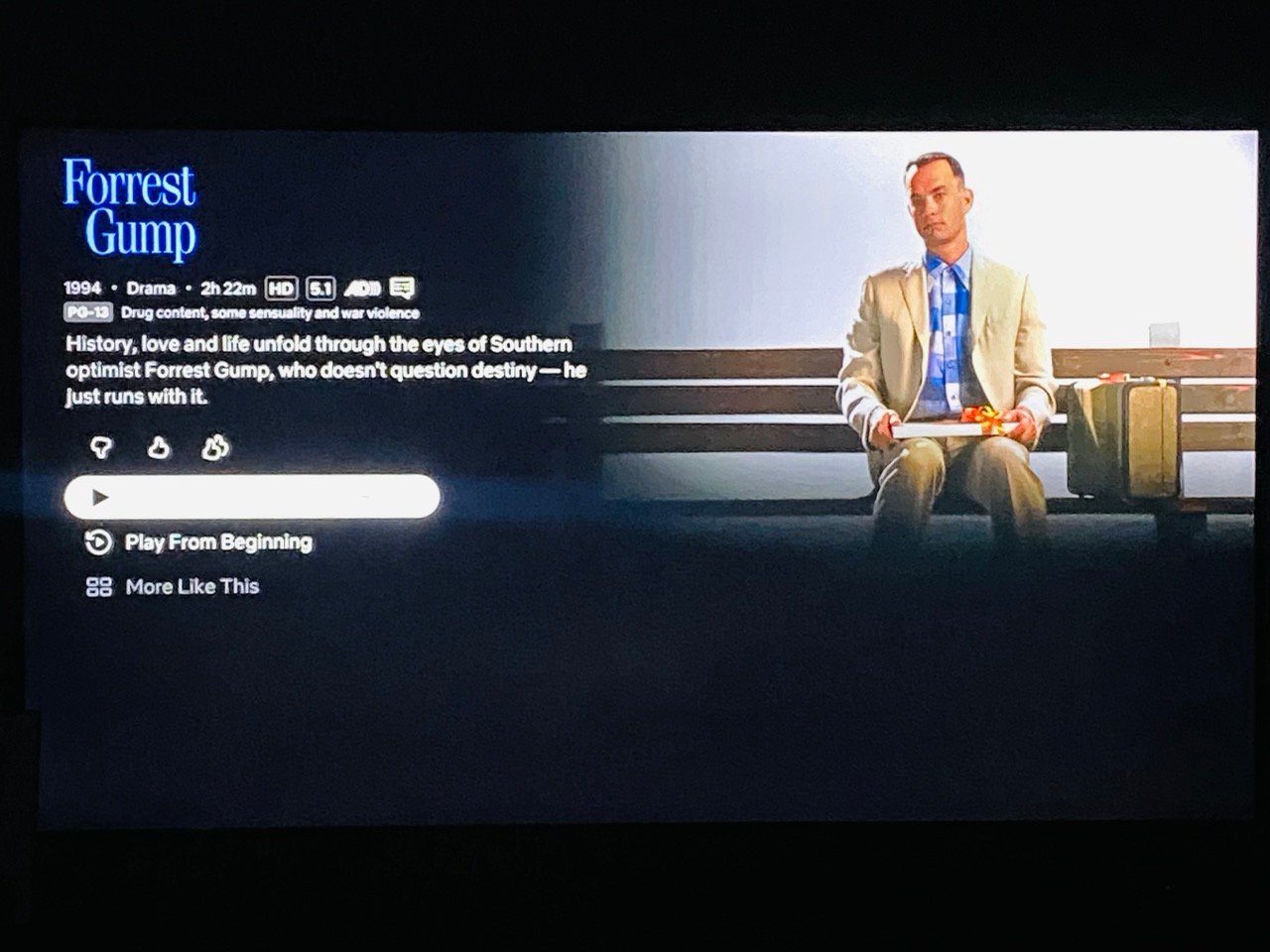
I watched Forrest Gump for the first time in my late 20s. Back then, I found the movie pointless and boring. I just couldn’t understand what the main story was. It felt painfully long, and I couldn’t figure out why it was regarded as one of the best movies ever made.
Now, as I approach my mid-30s, I decided to watch Forrest Gump again. Surprisingly, it made so much more sense this time. I could relate to and understand all the main characters – Forrest, his mama, Bubba, Lt. Dan, and Jenny.
I think the main difference was my perspective. In my 20s, I watched the movie from a purely critical point of view. I kept noticing plot holes, coincidences, and how unrealistic certain events felt. I focused more on intellectual criticism than emotional engagement. Instead of trying to experience the movie, I derived satisfaction from pointing out its flaws.
Now, I feel I have more emotional bandwidth and a broader perspective on life. A lot has changed since the last time I watched the movie. I now understand what it means to suspend disbelief in order to enjoy a fictional story and appreciate what it’s trying to convey.
My thoughts on the movie
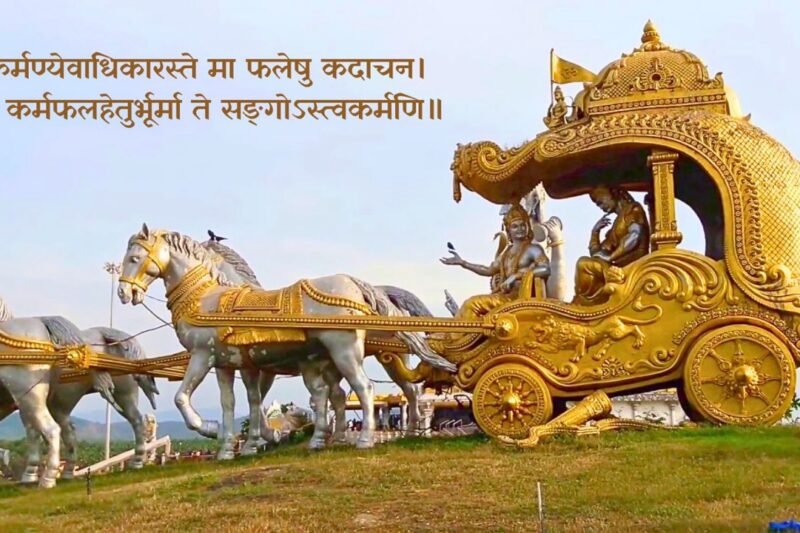
The movie’s central theme feels deeply philosophical. To me, it conveys two ideas – Stoicism and Existentialism. I’ll try to explain why I feel so.
Stoicism
This I think is the primary philosophy of the movie. Forrest accepts every challenge life throws at him without anger or resentment. He doesn’t resist change. He simply accepts his circumstances and adapts. In doing so, he discovers new paths in life and reaches destinations he could never have planned for.
In contrast, Lt. Dan believes he has a fixed destiny which is to die as a hero on the battlefield, just like his ancestors. When life throws him a surprise, and Forrest saves him from dying and instead he becomes a cripple, he loses his sense of identity and develops bitterness and resentment. He keeps questioning why his fate turned out so differently from what he believed was meant for him. It takes time, but eventually, even Lt. Dan accepts life as it is.
Existentialism
This I think is the secondary philosophy of the movie. Forrest creates his own meaning in life and keeps moving forward without obsessing over outcomes. He doesn’t worry about end goals and he just does things simply because he “feels like” doing them or enjoys doing them.
The best example of this is his cross-country running. He doesn’t run for fame, money, or purpose but simply because he just feels like it. Interestingly, the act itself becomes meaningful in other people’s eyes. This reminds me of the story of Sisyphus and his eternal uphill struggle. In short, we have to find and create our own purpose in life.
Optimism & Kindness
I’m not sure if “optimist” is the right word to describe Forrest, but he definitely has a positive outlook on life. He doesn’t hold grudges against those who hurt him. He continues to love and care for Jenny despite being treated unfairly. He keeps his promise to Bubba and shares his business profits with Bubba’s family even after he’s gone. Overall, he treats everyone with kindness, without expecting anything in return.
To conclude, I really loved the movie this time and and now it’s definitely one of my favourite movies. It gives me a sense of hope and inspiration and to live life with simplicity, acceptance, and kindness similar to how Forrest lives. This movie now sits on my top list alongside other movies like The Pursuit of Happyness and The Shawshank Redemption. Forrest Gump is definitely an evergreen film, and I’m sure I’ll watch it again someday in the future, probably with yet another new perspective.